
September 2, 2026
Iamaleava pushes back on villain narrative a year after Tennessee exit
UCLA quarterback Nico Iamaleava addressed his high-profile departure from Tennessee, rejecting the negative image some fans attached to him.
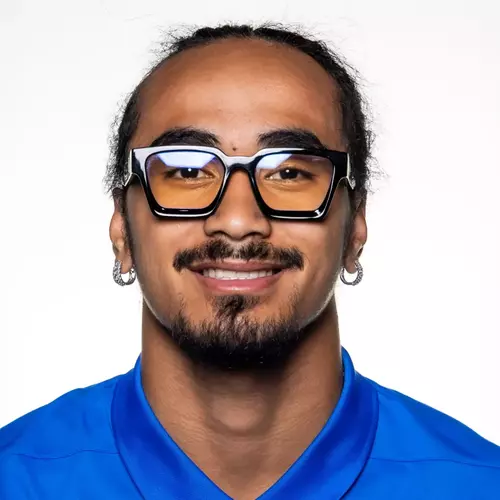



A year removed from one of college football's most talked-about transfers, UCLA quarterback Nico Iamaleava says he has no regrets about leaving Tennessee and is pushing back on the villain narrative that took hold among a segment of the Volunteers fan base following his exit.
Iamaleava, who made the high-profile move from Knoxville to Westwood, addressed the lingering criticism surrounding his departure in remarks that surfaced Tuesday, offering his most direct public response yet to the characterization that had followed him since the split with the Volunteers became public.
Reframing the Narrative
Some Tennessee supporters cast Iamaleava in an unfavorable light after the transfer, a reaction that accompanied the intense scrutiny that has come to define high-profile quarterback movement in the transfer portal era. The UCLA signal-caller has largely let the criticism go unanswered — until now.
Iamaleava's decision to speak out comes as he enters his first full season as the established starter in the Bruins' program, a role that gives him a new platform to shape the public conversation around both his game and his character. The Tennessee chapter, in his telling, is closed — and the arc he draws from it is one of opportunity rather than conflict.
The transfer itself drew significant national attention at the time, given Iamaleava's standing as one of the more prominent young quarterbacks in the Southeastern Conference. His move to UCLA represented one of the more notable quarterback departures of the cycle and drew scrutiny that extended well beyond the typical roster transaction.
Now settled on the West Coast a year after the divorce from Tennessee became official, Iamaleava's message is straightforward: the decision was the right one, and he has no interest in carrying the weight of a narrative he does not recognize as his own.

